Understanding AI Image Detection Technology
As the digital world continues to evolve, the complexities surrounding visual content have grown significantly. AI image detection has emerged as a pivotal technology, enabling the identification and analysis of images created by artificial intelligence. This article delves deep into the nuances of AI image detection, exploring its mechanics, applications, and potential challenges. When exploring options, AI Image Detection provides comprehensive insights to businesses and creative professionals alike.
What is AI Image Detection?
AI image detection refers to the process of using algorithms powered by artificial intelligence to analyze and identify the content of images. This technology leverages machine learning, particularly deep learning techniques, to recognize patterns and features within images, allowing for various applications ranging from categorizing visuals to detecting AI-generated imagery.
The Science Behind Image Recognition
At the core of image recognition is a subset of machine learning known as computer vision. This discipline focuses on enabling computers to interpret and understand visual information from the world. By employing neural networks, particularly convolutional neural networks (CNNs), AI systems can effectively process pixel data and extract meaningful features that correspond to the objects within an image.
Key Components of AI Image Detection Systems
- Data Input: High-quality input data is crucial for training AI models. The more diverse and representative the dataset, the better the model's accuracy.
- Model Training: During this phase, the AI learns to recognize features in images through a process known as supervised learning, where labeled data is used to inform the model.
- Inference: Once trained, the model can be deployed to evaluate new images, predicting their content or categorizing them based on learned features.
- Feedback Loop: Continuous improvement is facilitated through a feedback mechanism, where model outputs are assessed, and retraining or fine-tuning occurs as necessary.
Applications of AI Image Detection
How Businesses Utilize AI Image Detection
Businesses increasingly leverage AI image detection to enhance operational efficiency and decision-making processes. For instance, e-commerce platforms use it to automatically tag products, improving searchability and user experience. Additionally, companies can utilize it for quality control in manufacturing by detecting defects in product images, significantly reducing manual inspection efforts.
AI Image Detection in Creative Industries
In the realm of creative industries, AI image detection offers powerful tools for artists, designers, and content creators. For example, it enables automatic content moderation on social media platforms, allowing for the swift identification of inappropriate or harmful imagery. Furthermore, it assists graphic designers in generating unique visual content by analyzing trends and styles within existing images.
Public Safety and Security Applications
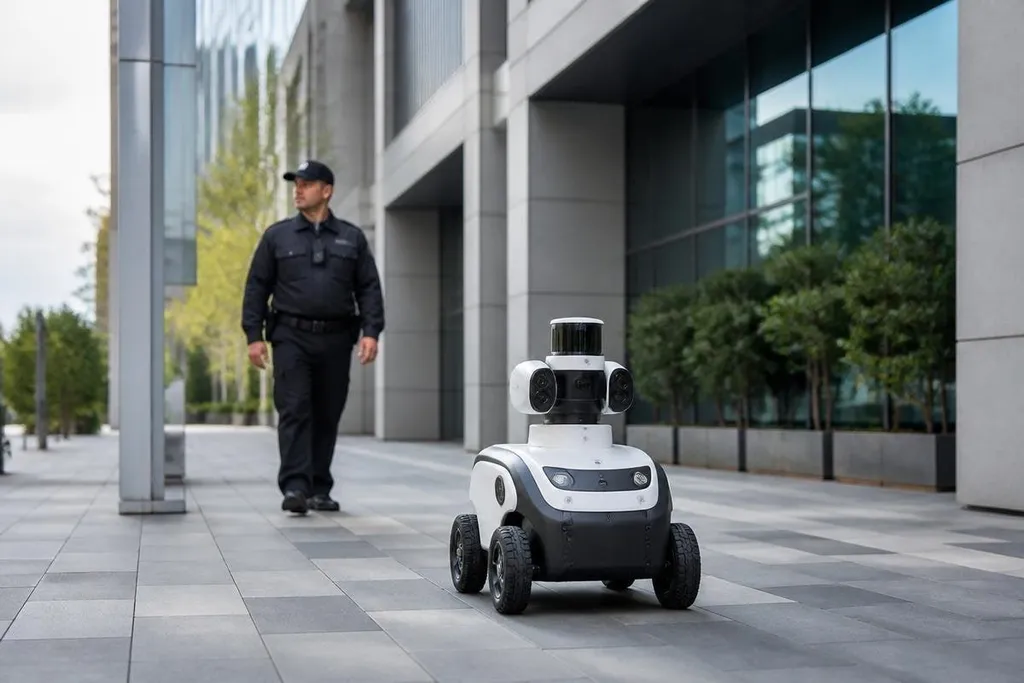
Public safety agencies employ AI image detection to enhance surveillance systems. By automating the recognition of faces or suspicious activities, law enforcement can respond swiftly to potential threats. Additionally, this technology plays a role in disaster response, where it can analyze images from drones or satellites to assess damage and aid in recovery efforts.
Challenges in AI Image Detection
Common Misconceptions About AI Image Detection
Despite its advancements, misconceptions about AI image detection persist. One prevalent myth is that AI can always accurately identify the origins of an image. In reality, the effectiveness of detection systems can be significantly impacted by the quality of the input data and the complexity of the model. Moreover, the assumption that AI systems are entirely unbiased is misleading; biases present in training data can lead to skewed outcomes.
Technical Limitations and Obstacles
AI image detection faces several technical limitations, including the difficulty in accurately interpreting images that contain mixed content (e.g., AI-generated and organic images). Furthermore, high variability in image conditions—such as lighting or angles—can pose challenges. The computational demands of processing images can also be substantial, necessitating significant resources, particularly for real-time applications.
Ethical Considerations in AI Image Detection
As with any technology, ethical implications must be considered. The potential misuse of AI image detection, particularly in surveillance and privacy infringement, raises significant concerns. Furthermore, issues surrounding consent for using images in AI training datasets call for stringent governance and transparent practices to ensure ethical compliance.
Implementing AI Image Detection Solutions
Best Practices for Integration
Integrating AI image detection into existing systems requires careful planning. Organizations should prioritize choosing the right algorithms and tools that align with their specific needs. It is crucial to engage in extensive testing and validation of models to ensure robustness and reliability. Collaboration with AI experts can significantly enhance the implementation process.
Evaluating the Effectiveness of AI Image Detection
To assess the performance of AI image detection models, organizations should establish clear metrics that reflect their success criteria. Common evaluation metrics include precision, recall, and F1-score. Regularly reviewing and updating models based on performance feedback ensures continual improvement and adaptation to new challenges.
Case Studies of Successful AI Implementations
Several organizations have successfully implemented AI image detection systems. For instance, an online retailer utilized this technology to enhance product categorization, resulting in a 30% increase in search efficiency. Another notable case is a media outlet that adopted AI detection tools for real-time content moderation, significantly reducing the time needed for manual review.
Future Trends in AI Image Detection
Emerging Technologies and Innovations in 2026
Looking ahead to 2026, the field of AI image detection is poised for significant advancements. Technologies such as federated learning, which allows models to learn from decentralized data without compromising privacy, are gaining prominence. Additionally, the emergence of generative adversarial networks (GANs) will enhance AI’s ability to create and detect content, posing both opportunities and challenges.
The Role of AI in Image Analysis Advancements
AI's role in image analysis will continue to evolve with the advent of new algorithms and better processing capabilities. The integration of multi-modal AI systems, which can combine visual, textual, and auditory data, will lead to more comprehensive analyses and insights, facilitating richer interactions between machines and humans.
Predictions for AI Image Detection Evolution
As AI technologies advance, we can anticipate more sophisticated image detection capabilities that can discern subtle nuances in imagery, leading to improved identification accuracy. The proliferation of 5G networks is expected to enhance real-time image processing, enabling applications that require immediate responsiveness.
What are the Future Opportunities?
Future opportunities in AI image detection are boundless. Industries such as healthcare can utilize image detection to analyze medical imaging for early diagnosis, while agriculture can benefit from precision farming techniques that rely on real-time image analysis for crop monitoring. Businesses willing to innovate and adopt these technologies will be at the forefront of their fields.
How to Stay Ahead in AI Image Detection?
To maintain a competitive edge in AI image detection, organizations should invest in continuous learning and adaptation. Collaborating with academic institutions and participating in industry partnerships can provide insights into the latest research and technological advancements. Furthermore, fostering a culture of innovation within teams will inspire creative solutions and keep organizations at the cutting edge of AI developments.