
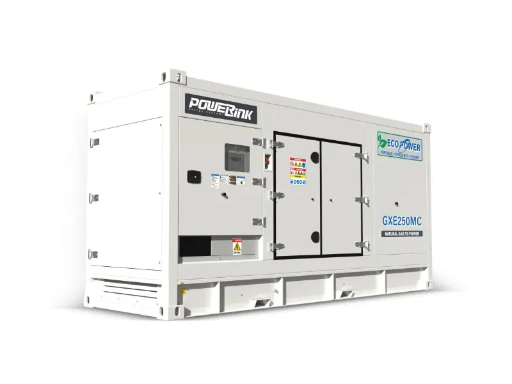
Industrial facilities require large amounts of energy to operate machinery, maintain production processes, and support daily operations. As energy costs continue to increase, businesses are looking for solutions that can improve efficiency while maintaining reliable power availability. Combined Heat and Power (CHP) systems have become an effective approach for industries that need both electricity and thermal energy.
CHP technology improves energy efficiency by generating electricity and capturing useful heat from the same fuel source. Instead of wasting excess heat during power generation, these systems reuse it for industrial applications. Many modern CHP solutions use a gas generator to provide reliable electricity while maximizing the value of the fuel consumed.
The Growing Importance of Energy Efficiency in Industry
Industrial operations depend on consistent energy supply to maintain productivity. Traditional power generation methods often lose a significant amount of energy as unused heat, reducing overall efficiency.
For facilities with high energy demands, improving efficiency is essential for controlling costs and maintaining competitiveness. CHP systems provide a practical solution by allowing industries to produce multiple forms of energy through a single process.
By reducing energy waste and improving resource utilization, CHP technology supports more sustainable industrial operations.
Understanding How CHP Systems Work
A Combined Heat and Power system produces electricity through an engine or generator while recovering the heat created during operation. This recovered thermal energy can then be used for heating processes, hot water production, or other industrial requirements.
A gas generator plays a central role in many CHP installations. It converts natural gas into electrical energy while creating heat that can be captured and reused.
This integrated approach allows facilities to achieve higher efficiency compared to separate electricity and heating systems.
Benefits of CHP Systems for Industrial Operations
Higher Overall Energy Efficiency
One of the main advantages of CHP technology is its ability to use more energy from the same fuel source. Instead of generating electricity and heat separately, CHP systems combine both processes into one efficient operation.
This reduces energy losses and helps industries achieve better performance from their power infrastructure.
Reduced Operating Costs
Energy expenses represent a major part of industrial budgets. CHP systems help lower costs by producing electricity on-site and reducing reliance on external power supplies.
With an efficient gas generator, facilities can optimize fuel consumption and improve long-term energy management.
Reliable Power Availability
Industrial processes often cannot afford unexpected interruptions. CHP systems provide a dependable source of electricity that helps businesses continue operations during grid instability or power failures.
The ability to generate power locally improves energy security and reduces production risks.
Better Use of Waste Heat
Traditional generators release heat as a by-product, but CHP systems capture this energy and put it to practical use.
Recovered heat can support:
- Industrial heating processes
- Steam generation
- Water heating
- Building temperature control
- Cooling applications
This additional energy output improves the overall value of the system.
Applications of CHP Systems in Industry
CHP solutions are suitable for various industrial environments, including:
- Manufacturing plants
- Food and beverage facilities
- Chemical processing units
- Healthcare facilities
- Data centers
- Paper and textile industries
- Large commercial buildings
Industries with continuous electricity and heating requirements benefit the most from CHP technology.
Choosing the Right CHP Solution
Selecting the right CHP system requires careful evaluation of facility needs. Businesses should consider power requirements, heat demand, fuel availability, and future expansion plans.
A properly designed system ensures that the gas generator and heat recovery components operate efficiently together.
Regular maintenance and performance monitoring are also important for achieving maximum reliability and extending equipment lifespan.
The Future of CHP in Industrial Energy Management
As industries focus on reducing energy waste and improving sustainability, CHP systems are becoming an important part of modern energy strategies. Their ability to provide efficient power generation and heat recovery makes them suitable for long-term industrial use.
Advancements in generator technology continue to improve system performance, making gas generators more efficient, reliable, and adaptable for different applications.
Conclusion
CHP systems provide industries with a smarter way to manage energy by producing electricity and useful heat from one fuel source. Through improved efficiency, reduced waste, and better cost control, these systems help businesses achieve stronger operational performance.
For industrial facilities seeking reliable and efficient energy solutions, CHP technology combined with gas generators offers a practical approach to meeting modern power demands while supporting long-term sustainability.