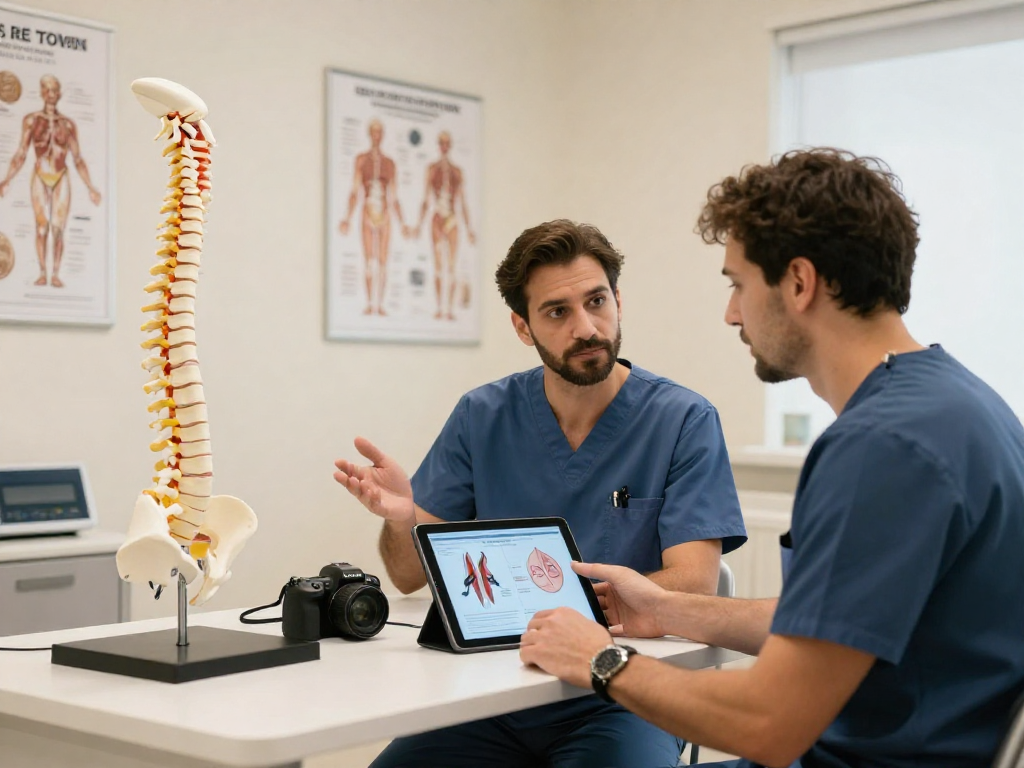
Understanding Dar Kanal Ameliyatı
Dar Kanal Ameliyatı, also known as spinal canal surgery, addresses a common but often debilitating condition called spinal stenosis. This condition occurs when the spinal canal narrows, leading to pressure on the spinal cord and nerves. Patients experience symptoms such as pain, numbness, and weakness, particularly in the legs. As the population ages, the prevalence of spinal stenosis and the need for effective surgical interventions have increased significantly. When exploring options, Dar kanal ameliyatı provides comprehensive insights into treatment strategies, potential recovery times, and necessary precautions for patients considering this surgery.
What is Spinal Canal Stenosis?
Spinal canal stenosis refers to the narrowing of the spinal canal, which can occur due to several factors, including age-related degeneration, herniated discs, thickened ligaments, or bone spurs. This narrowing can lead to compression of the spinal nerves, resulting in a range of neurological symptoms.
Patients may present with:
- Local back pain
- Leg pain or cramping, particularly when walking
- Numbness or tingling in the limbs
- Weakness or instability while standing or walking
The condition can significantly impair the quality of life, leading to reduced mobility and increased dependence on caregivers.
Indications for Surgery
Surgical intervention is typically recommended when conservative treatments, such as physical therapy, medications, or steroid injections, fail to relieve symptoms. Indications for surgery may include:
- Severe and persistent pain that disrupts daily activities
- Significant neurological deficits, such as weakness or loss of bladder/bowel control
- Progressive worsening of symptoms
- Unresponsive symptoms after a thorough Conservative Management plan
Types of Procedures: Vidasız and Vidalı
There are two primary surgical approaches to treat spinal canal stenosis: the vida (screwed) method and the vidasız (non-screwed) technique. The choice between these two procedures primarily depends on the patient's specific condition and the surgeon's expertise.
The Vidasız Kapalı Dar Kanal Ameliyatı (non-screwed closed canal surgery) employs a minimal invasive approach. This method uses specialized micro-instruments to relieve nerve compression without damaging surrounding muscles and tissues.
In contrast, the Vidalı (Platinli) Dar Kanal Ameliyatı (screwed canal surgery) often involves stabilizing the spine with screws and rods, addressing both decompression and structural support. Understanding the differences between these approaches is crucial for informed decision-making.
Risks and Complications of Dar Kanal Ameliyatı
While surgical intervention may provide significant relief, it is essential to understand the potential risks and complications associated with Dar Kanal Ameliyatı. Every surgical procedure carries inherent risks, and spinal surgery is no exception.
Possible Surgical Risks
Common risks associated with spinal canal surgeries can include:
- Infection at the surgical site
- Clot formation, leading to thromboembolic events
- Persistent pain or neurological symptoms
- Adverse reactions to anesthesia
- Unintended damage to surrounding nerves or tissues
Patients should discuss these risks with their healthcare provider and consider them when weighing the benefits of surgery.
Understanding Revision Surgery
In certain cases, patients may undergo revision surgery if initial outcomes are not satisfactory. Revision surgeries are typically more complex and may carry higher risks due to the altered anatomy from the previous surgery. Common reasons for revision include:
- Recurrence of symptoms after the initial surgery
- Development of new issues, such as instability
- Improper alignment or positioning of hardware
Effective communication with your surgeon regarding the likelihood of needing revision surgery is crucial for managing expectations.
Factors Leading to Complications
Several factors can increase the likelihood of complications during or after surgery. These may include:
- Age and overall health status
- Pre-existing medical conditions, such as diabetes or obesity
- Smoking, which can impair healing
- The location and extent of stenosis
By addressing these factors and adhering to preoperative instructions, patients may mitigate some risks associated with surgery.
Recovery Process after Dar Kanal Ameliyatı
Post-surgery recovery is a critical phase in achieving optimal results from Dar Kanal Ameliyatı. Understanding the recovery process can help patients prepare for their healing journey.
Post-Surgery Care Guidelines
After undergoing surgery, patients can expect to follow specific care guidelines to facilitate recovery:
- Manage pain with prescribed medications
- Gradually increase activity levels as tolerated
- Attend follow-up appointments for monitoring
- Adhere to physical therapy recommendations, if prescribed
By actively engaging in their recovery plan, patients can maximize their chances of a successful outcome.
Physical Therapy and Rehabilitation
Physical therapy plays a vital role in rehabilitation after Dar Kanal Ameliyatı. Targeted exercises can improve strength, flexibility, and mobility, enabling patients to return to their daily activities more effectively. Patients are often encouraged to begin a physical therapy protocol soon after surgery.
Monitoring for Signs of Nüks
Postoperative monitoring is crucial for identifying any signs of recurrence, or nüks, of symptoms. Patients should be aware of the following indicators:
- Return of pain or mobility issues
- New or worsening neurological symptoms
- Changes in bladder or bowel function
Immediate communication with healthcare providers regarding any concerning symptoms can lead to timely interventions.
Cost Considerations for Dar Kanal Ameliyatı
The cost of Dar Kanal Ameliyatı varies widely based on several factors, including the surgical approach taken, the healthcare facility, and the patient's insurance coverage.
Understanding Price Factors
Key factors that influence the cost of surgery include:
- Type of procedure (e.g., Vidasız vs. Vidalı)
- Hospital fees and duration of stay
- Anesthesia and other ancillary costs
- Surgeon’s fees
Insurance Coverage Explored
Insurance coverage for Dar Kanal Ameliyatı can significantly impact out-of-pocket costs. Patients should confirm their insurance policy details to understand coverage, co-pays, and deductibles. Many plans cover surgery if it meets medical necessity criteria.
Cost Comparison: Public vs. Private Facilities
Patients often face a decision between public and private healthcare facilities. Public hospitals may offer lower costs but often have longer wait times and less personalized care, while private facilities may charge more for expedited services and amenities. It is essential for patients to weigh these factors against their needs and preferences.
Future Trends in Spinal Surgery (2026 and Beyond)
The field of spinal surgery continues to evolve with advancements in technology and techniques. Understanding these trends can provide valuable insight for patients considering Dar Kanal Ameliyatı.
Advancements in Surgical Techniques
Emerging surgical techniques, including minimally invasive approaches, robotic assistance, and advanced imaging methods, are revolutionizing spinal surgeries. These innovations aim to reduce recovery times, enhance surgical precision, and improve overall patient safety.
Innovative Technologies in Spinal Care
Additionally, advancements in prosthetic devices and bioengineered materials may offer new options for patients facing severe spinal issues. These technologies focus on improving outcomes and reducing complications associated with traditional surgical methods.
Patient-Centric Approaches in Future Treatments
Future treatments will increasingly emphasize patient preferences and personalized medicine, tailoring approaches to individual patient needs and lifestyle goals.
What are the Long-Term Outcomes of Dar Kanal Ameliyatı?
Understanding the long-term outcomes after Dar Kanal Ameliyatı is essential. With proper selection of patients and techniques, most individuals experience significant improvement in their neurological symptoms and quality of life.
How to Minimize Risks Post-Surgery?
To minimize risks after surgery, patients should:
- Follow all postoperative instructions from their healthcare provider
- Engage in prescribed physical therapy
- Maintain a healthy diet and lifestyle
- Report any unusual symptoms promptly
Can I Expect to Need Surgery Again?
While some patients may worry about the possibility of needing additional surgery, it's essential to understand that while the area operated on may not narrow again, new issues could arise elsewhere in the spine, typically related to age-related degeneration.
In conclusion, investing time to understand the implications of Dar Kanal Ameliyatı can empower patients to make informed decisions regarding their spinal health. For more information, Dar kanal ameliyatı offers valuable insights. Engaging with healthcare professionals and adhering to postoperative guidelines are key components to achieving positive outcomes.